Zondacrypto, once one of the largest cryptocurrency exchanges in Central and Eastern Europe, has left its customers unable to withdraw their money. The platform, which grew out of the Polish exchange BitBay and served close to a million users, froze or heavily delayed withdrawals from April 2026, with some people locked out of their funds for weeks and others paid only in small instalments. On April 23rd, 2026, the zondacrypto website was completely taken down. What the company first described as a technical problem has since grown into one of the region’s largest crypto scandals.
In early April 2026, a forensic analysis by the recovery firm Recoveris found that the exchange’s visible operating reserves, also known as its hot wallet, had fallen by more than 99 percent. But Zondacrypto’schief executive, Przemysław Kral, rejected the idea that the exchange is insolvent. He called the analysis flawed, said most customer funds sit in offline “cold” wallets that blockchain analysts cannot see and claimed reserves of more than 4,500 bitcoin. Yet he declined to publish a Proof of Reserves which is the standard check that lets an exchange prove it truly holds customers’ money.
Even more worrying is a cold wallet that no one appears to be able to open. Kral has admitted the company has had no access to the wallet holding roughly 450 bitcoin since 2022, the year founder Sylwester Suszek vanished and, according to reports, is now presumed dead. The exchange also carries a difficult past, as its predecessor BitBay was placed on a Polish regulator’s public warning list back in 2018.
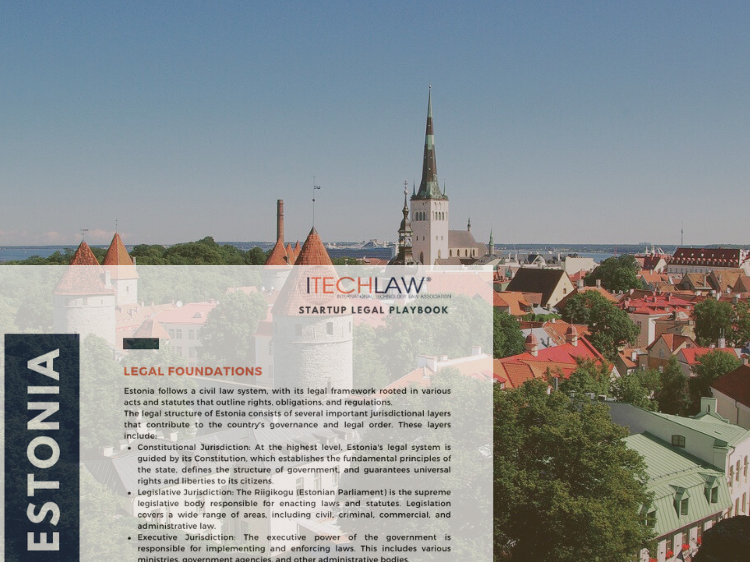
Authorities in two countries are now involved. Polish prosecutors have opened a criminal investigation into possible fraud after thousands of complaints, with estimated losses of around 350 million złoty (roughly 82 million euros) affecting some 30,000 people. Estonia’s Financial Intelligence Unit, where the operating company BB Trade Estonia OÜ is registered, first suspended and then on June 29th, 2026, revoked its license.
It is worth stressing that these remain allegations and open investigations, rather than proven crimes, and the company continues to dispute the accusations. Even so, the pattern will feel familiar to anyone who followed the collapses of FTX and Celsius – blocked withdrawals, a refusal to prove reserves and reassuring statements that later did not hold. History suggests that customers who wait for complete certainty often end up waiting far too long.
For everyday users, the lesson is both old and urgent. The situation is a textbook reminder of why the crypto world repeats the phrase “not your keys, not your coins”, and why money left on any exchange carries real risk. However, affected customers are not powerless. There is a clear path forward and it is time sensitive. On July 6th, 2026, Harju County Court accepted the petition for proceedings. If the court declares bankruptcy, creditors will have two months to submit their claims. Follow these steps to complete a short onboarding form and instruct Magnusson to represent you in the Estonian bankruptcy proceedings.
Magnusson already has experience dealing with similar cases. Magnusson successfully represented the largest single creditor group in the bankruptcy proceedings of the cryptocurrency platform CoinLoan. You can read more about that process here.
Contact me and learn more

Marek Keiman
Partner / Head of Fraud and Asset Recovery
Dispute Resolution, Corporate Crime, International Arbitration, Restructuring and Insolvency, Transport
Send me an email +372 670 8401 +372 56 922 994
Ainar Leedu
Junior Associate
Banking and Finance, Corporate and M&A, Data Protection, Public procurement
Send me an emailMORE NEWS
-
![]()
AI Implementation for Your Business in the EU and...
Read this article
-
![]()
Magnusson Is Assisting Coinmetro Creditors in Reco...
Read this article
-
![]()
Odzyskiwanie środków w postępowaniu upadłościowym...
Read this article
-
![]()
Recovering Your Funds in zondacrypto Bankruptcy Pr...
Read this article
-
![]()
What Estonia's Insolvency Service Can Do for zonda...
Read this article
-
![]()
Magnusson is assisting zondacrypto creditors to re...
Read this article
-
![]()
Standard Terms in Contracts: What Do Businesses Of...
Read this article
-
![]()
Magnusson Successfully Represented Creditors in Es...
Read this article
-
![]()
A quick insight: The EU's General-Purpose AI Code...
Read this article
-
![]()
ITechLaw Releases 3rd Startup Legal Playbook with...
Read this article